Northern Lights safaris in Finland typically last between two and four hours, depending on the tour format, the time of year, and how far you travel from the departure point. Most guided aurora tours in Finnish Lapland are designed to fit comfortably into an evening, starting after dark and returning before midnight. The duration balances enough time in the wilderness to maximize your chances of witnessing the Aurora Borealis with practical considerations like weather and comfort. Below, we break down the key questions that shape how long your Northern Lights safari will actually take.
What Time of Night Do Northern Lights Safaris Usually Start?
Northern Lights safaris in Finland typically start between 6:00 PM and 9:00 PM, depending on the month and how early darkness falls. In the heart of winter, when polar night blankets Finnish Lapland, tours can begin as early as late afternoon. During the shoulder months of September or March, departure times shift later to ensure full darkness for optimal aurora viewing.
The reason start times matter for overall duration is straightforward: the earlier darkness arrives, the more flexibility guides have to extend the experience or add stops along the way. In December and January, Levi sees only a few hours of twilight, which means an evening safari departing at 6:00 PM already has complete darkness to work with. By contrast, a late March safari might not depart until 8:30 PM or later, since the days grow rapidly longer as spring approaches.
Most operators plan the return for somewhere between 9:00 PM and 11:00 PM. This window aligns with the statistically active hours for geomagnetic activity in the auroral zone, which tends to peak around 10:00 PM to midnight local time. Starting early enough to reach a remote viewing spot, spending time watching the sky, and then traveling back accounts for the two to four hour range most guests experience.
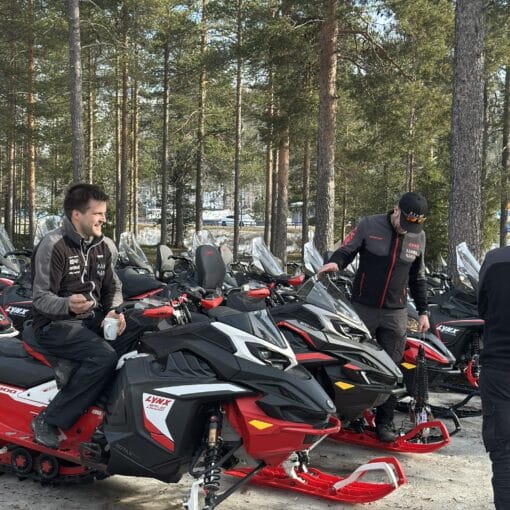
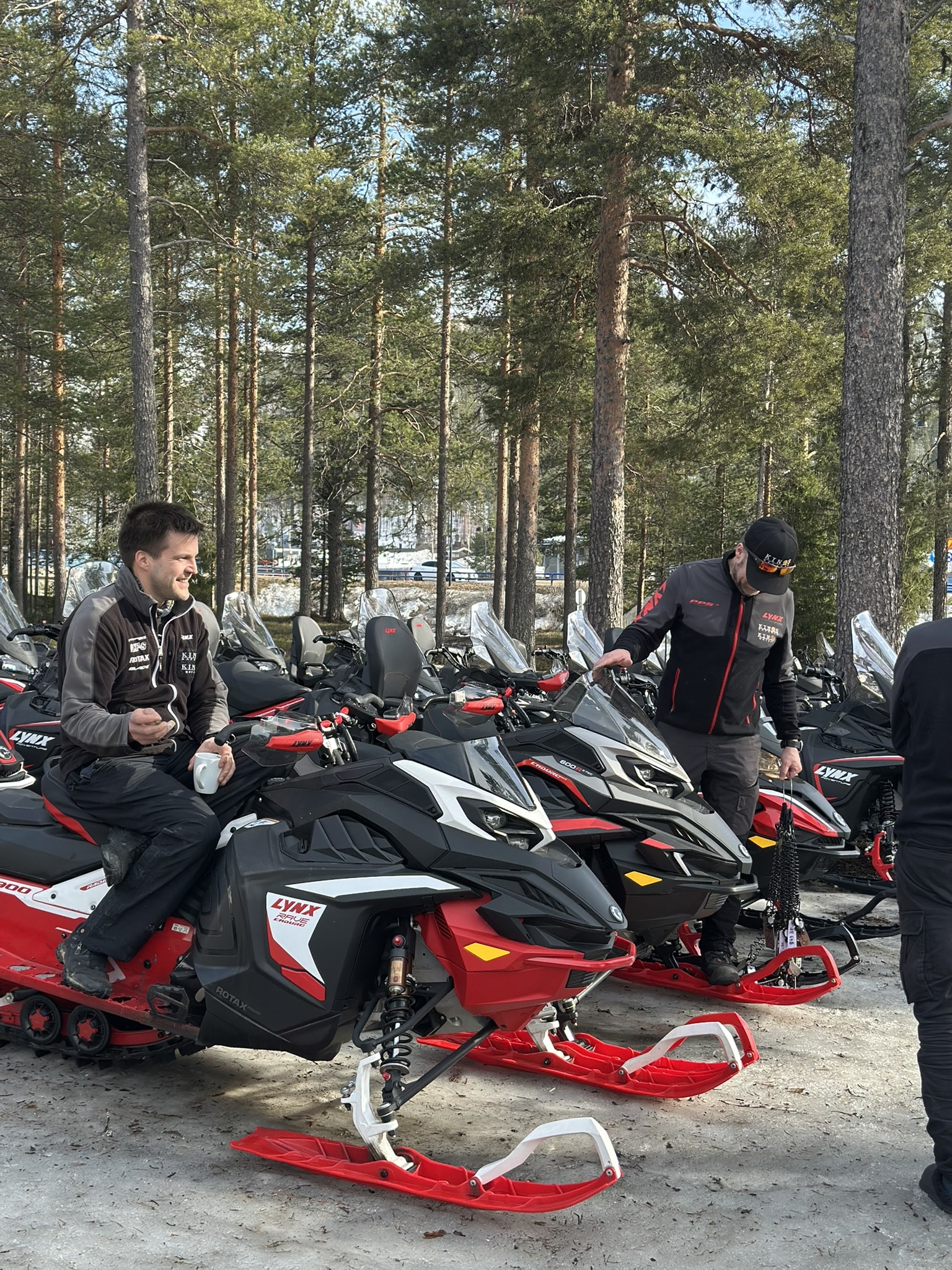
We offer evening snowmobile safaris departing at 6:00 PM from Levi, lasting approximately three hours. These Arctic evening tours are specifically timed to coincide with prime aurora hunting conditions while giving you a genuine wilderness experience under the Lapland sky.
What Factors Affect the Length of a Northern Lights Safari?
The length of a Northern Lights safari depends on several interconnected factors: the mode of transport, the distance traveled to reach dark sky locations, weather conditions, and whether additional activities are included in the program. Cloud cover and aurora forecasts on any given night can also influence how long a guide keeps the group out.
Distance and Light Pollution
The further you travel from town centers, the darker the sky and the better your chances of seeing vivid aurora displays. Safaris that venture deep into the wilderness naturally take longer because of the travel time involved. Levi sits well within the auroral zone, so you do not need to drive hundreds of kilometers, but reaching a truly dark spot away from resort lighting still adds meaningful time to the experience. A safari that stays relatively close to the village might wrap up in two hours, while one that pushes further into the backcountry could easily fill three or four hours.
Weather and Aurora Activity
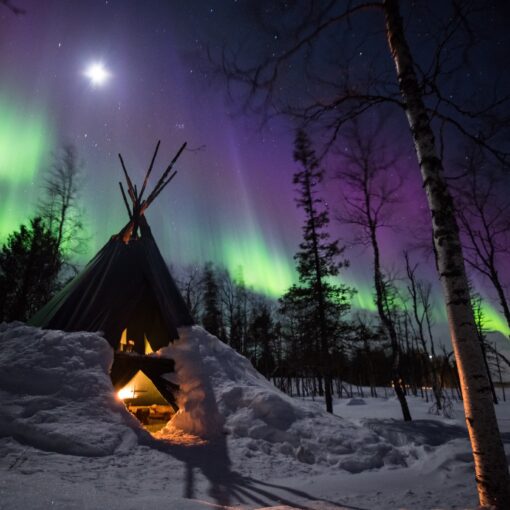
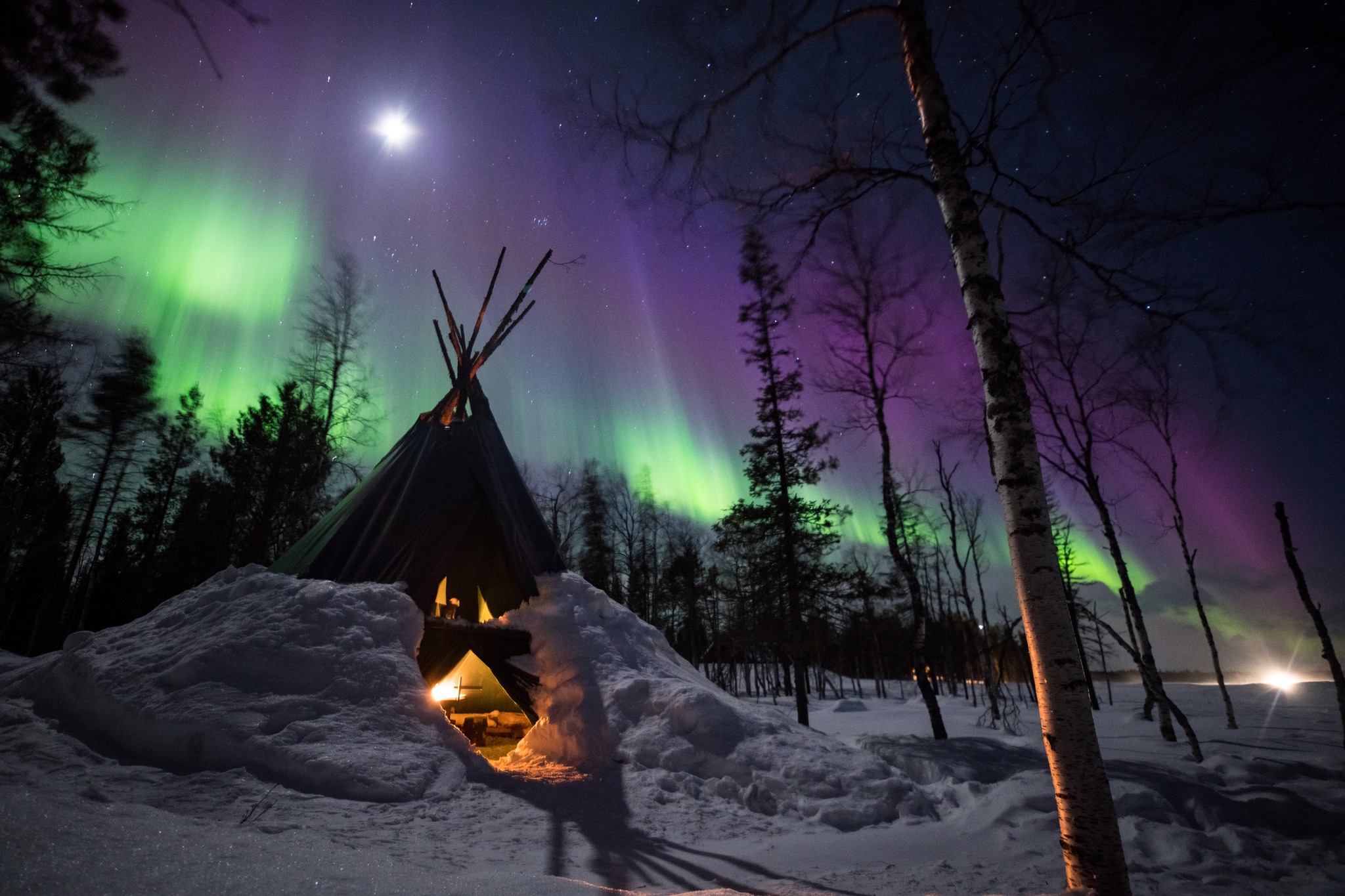
Experienced guides monitor real-time aurora forecasts and cloud cover predictions throughout the evening. If conditions look promising, a guide may extend the safari or adjust the route to find clear skies. On nights with heavy overcast, some tours may shorten slightly or spend more time on alternative activities like campfire breaks in a traditional Lapp tent. The unpredictable nature of both weather and geomagnetic storms means that no two Northern Lights safaris are exactly the same length, even when the scheduled duration is identical.
How Does the Safari Format Change the Duration?
The format of your Aurora Borealis tour significantly shapes its duration. Snowmobile safaris typically last two to three hours, bus or minivan tours range from two to four hours, and multi-activity tours that combine aurora hunting with other experiences like reindeer visits or ice fishing can extend to four hours or more.
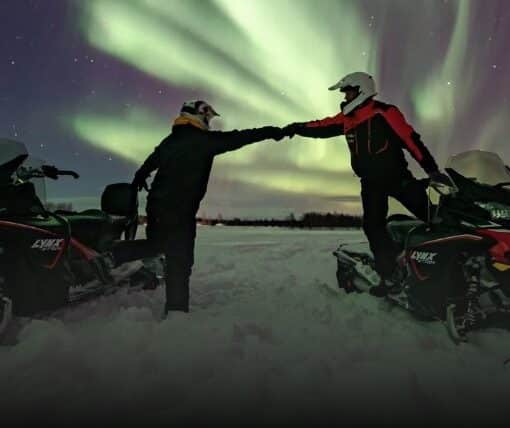
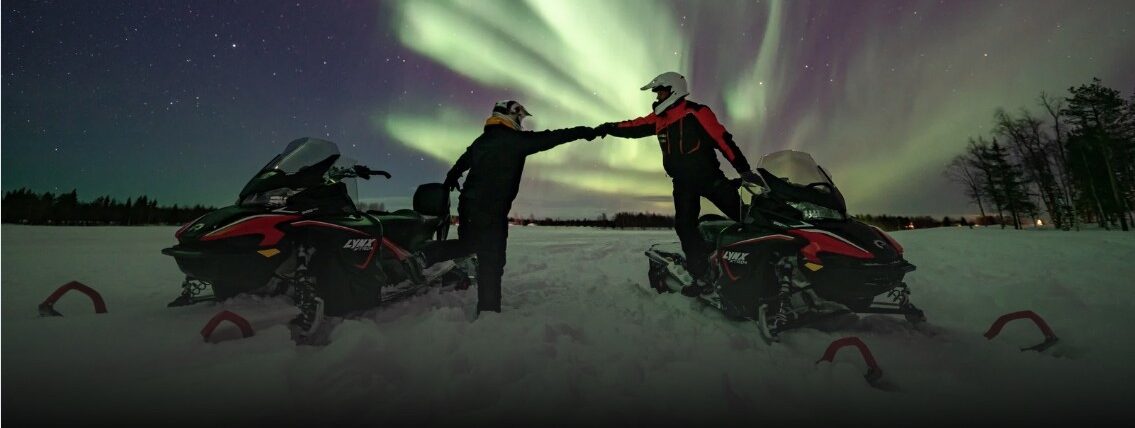
Snowmobile safaris are among the most popular choices for Northern Lights hunting in Finland because they let you cover ground quickly and reach remote locations that larger vehicles cannot access. The active nature of driving a snowmobile also means you stay warmer than you would standing still, which allows for longer time outdoors. A typical snowmobile aurora safari includes travel to a scenic wilderness spot, a break with hot drinks around a fire, and dedicated time scanning the sky for the Northern Lights before the return journey.
Bus or minivan tours tend to be slightly longer in total clock time because they travel on roads rather than cutting through the wilderness directly. However, they often include more structured stops and indoor warming breaks, which some guests prefer during especially cold nights.
Multi-activity tours bundle aurora viewing with experiences like dog sledding, snowshoeing, or a visit to a reindeer farm. These combination programs naturally run longer because each activity requires its own time allocation. If you want to maximize your evening and do not mind a later return, these extended formats offer excellent value and variety.
The key distinction is that shorter tours focus almost entirely on reaching a dark location and watching the sky, while longer tours weave the aurora hunt into a broader Lapland adventure. Both approaches give you a genuine chance of seeing the Northern Lights, so the right choice depends on your priorities and cold weather tolerance.
When Is the Best Time of Season to Book a Longer Aurora Safari?
The best time to book a longer Aurora Borealis tour in Finland is between late November and early March, when extended darkness provides the longest possible viewing windows and snow-covered landscapes enhance the experience. Within this range, the months of December through February offer the most darkness, giving guides maximum flexibility to extend safaris and chase clear skies.
September and October technically fall within aurora season, but the lack of snow and shorter nights limit how long safaris can run. These autumn months suit shorter tours of around two hours. Once the snow arrives in November and the days shrink dramatically, operators can offer longer programs that take full advantage of the darkness.
February and early March present an appealing sweet spot for many travelers. The days are getting longer, which means you get beautiful blue twilight before and after your safari, but there is still plenty of darkness for aurora hunting. Snow conditions are usually excellent, temperatures are slightly milder than the deep freeze of January, and geomagnetic activity remains strong. Safaris during this period often run the full three to four hours because conditions are comfortable enough for guests to stay out longer without the extreme cold cutting the experience short.
Solar activity also plays a role in planning. The sun operates on roughly 11-year cycles, and 2026 falls near a period of elevated solar activity, which increases the frequency and intensity of Aurora Borealis displays. This means that booking a longer safari during the current season gives you a statistically better chance of witnessing a spectacular show compared to years of lower solar activity.
Ultimately, the ideal booking window depends on balancing darkness, temperature, snow conditions, and your personal comfort level. If you want the longest possible safari with the best combination of factors, aim for late January through early March in Finnish Lapland. Whichever dates you choose, arriving in Levi with flexible evening plans gives you the best opportunity to experience the Northern Lights at their most breathtaking.
Related Articles
- Why is Finnish Lapland one of the best places for Aurora viewing?
- How long are daily snowmobile safaris with Kinos Safaris?
- Best Multi-Day Snowmobile Routes in Lapland: Hetta, Galdotieva, Kilpisjärvi and Arctic Ocean
- What are the benefits of booking a customized snowmobile safari?
- What is included in a snowmobile rental from Kinos Safaris?