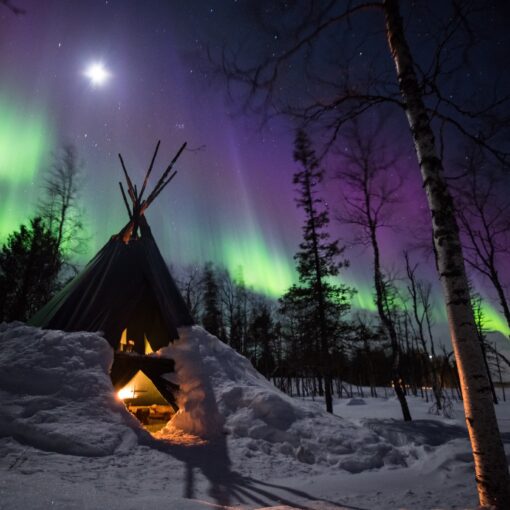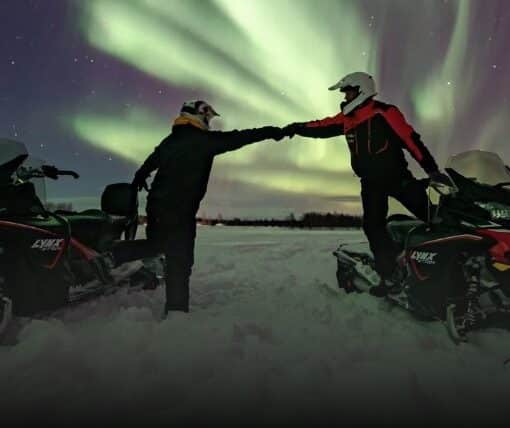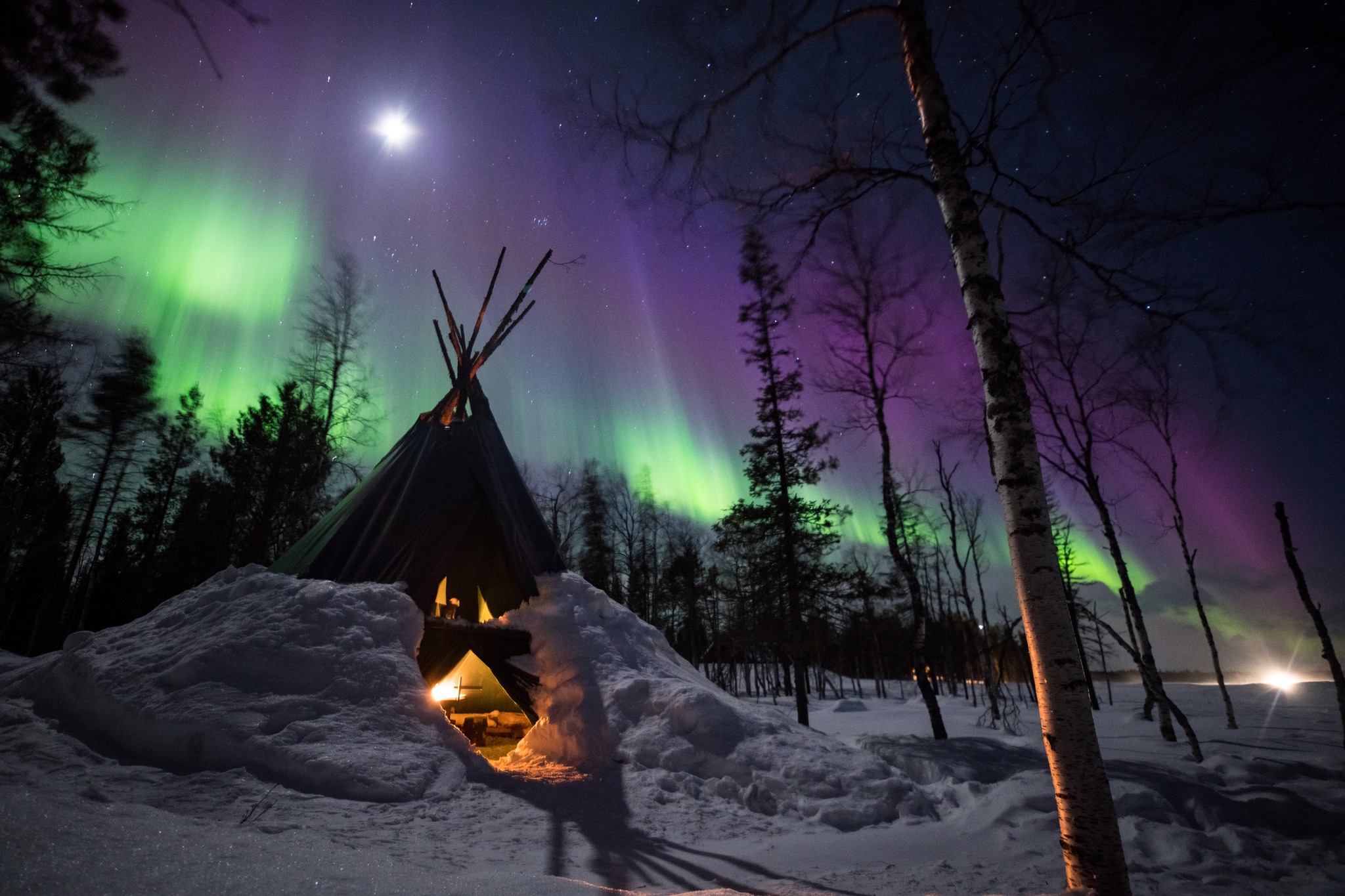
On a Northern Lights safari in Finland, you should wear multiple insulating layers topped with a windproof and waterproof outer shell, along with thermal boots, thick gloves, a balaclava, and a warm hat. Temperatures in Finnish Lapland can plunge well below minus 20 degrees Celsius during aurora season, so proper layering is essential for comfort and safety.
The good news is that most reputable safari operators in Lapland provide thermal overalls, boots, and gloves as part of the experience, so you do not need to pack an entire Arctic wardrobe. Below, we answer the most common questions about what to wear and how to stay warm while chasing the Aurora Borealis in Finland.
Can You Get Warm Clothing on Site in Lapland?
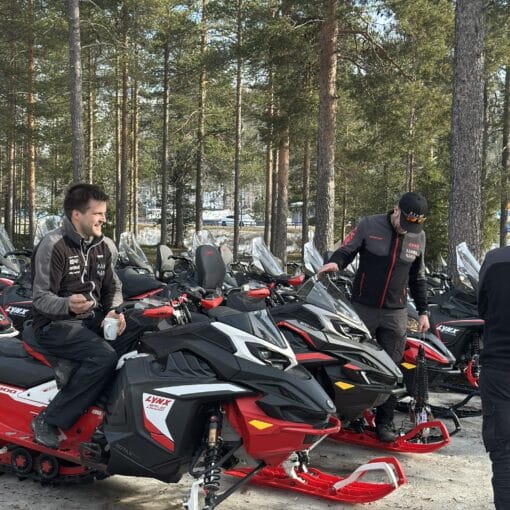
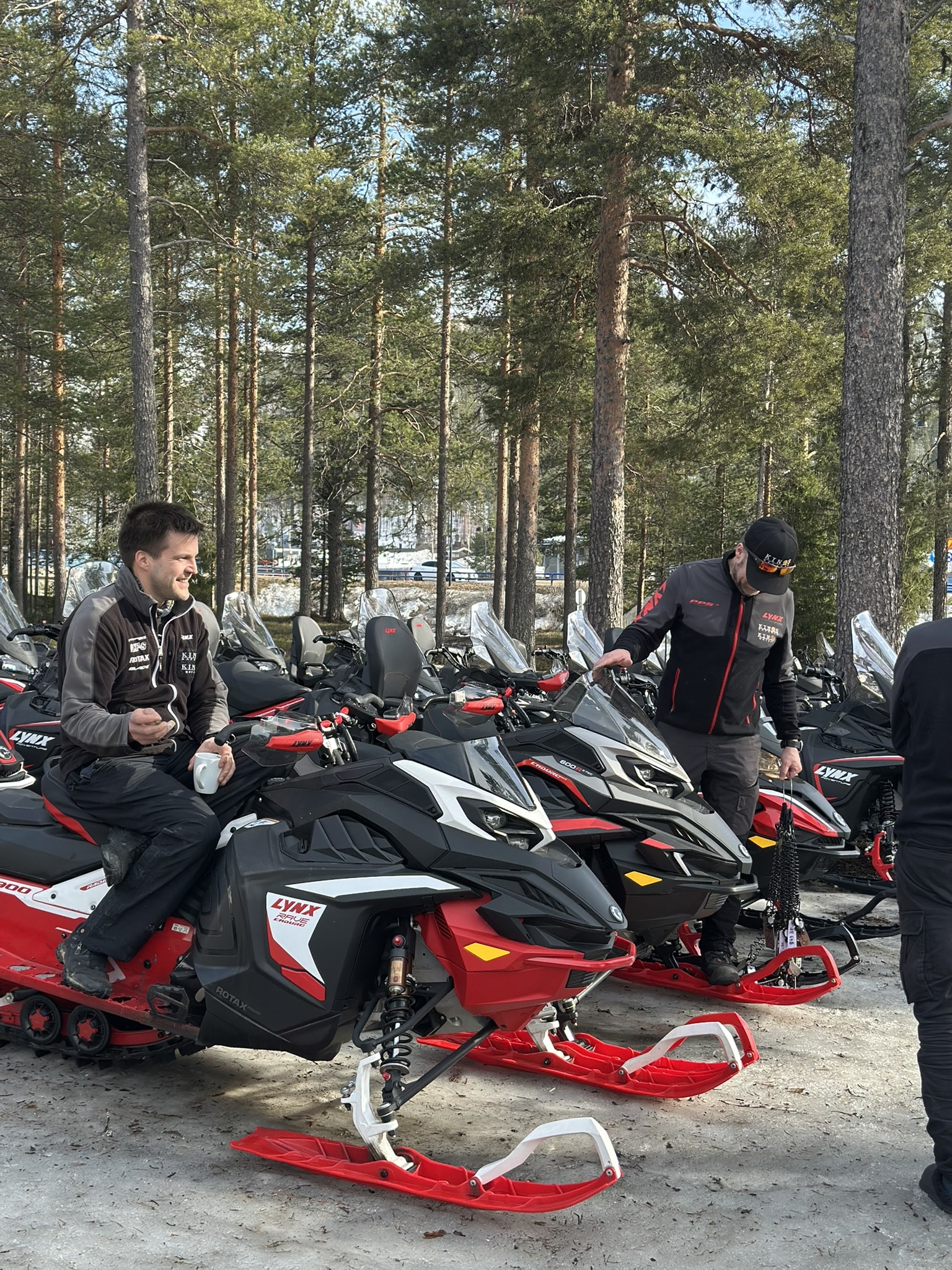
Yes, most Northern Lights safari operators in Finnish Lapland provide guests with thermal outer clothing, including insulated overalls, winter boots, thick mittens, and balaclavas. These items are designed for extreme cold and are typically included in the price of your Aurora Borealis tour, so you do not need to buy expensive Arctic gear before your trip.
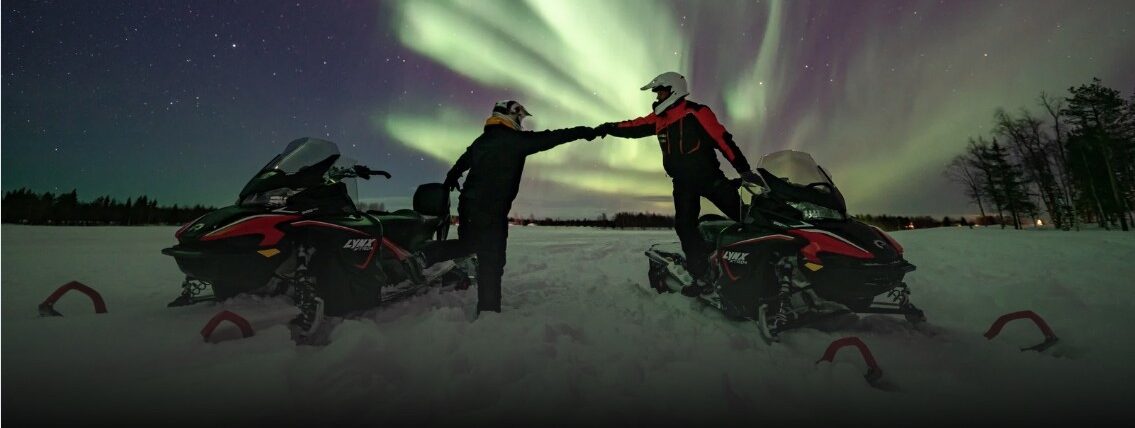
When you book a snowmobile or evening safari with us at Kinos Safaris in Levi, we supply high-quality thermal suits and boots suited to the conditions. Our guides check that every guest is properly equipped before heading out, because staying warm is the foundation of a great experience.
That said, the outer gear we provide works best when combined with your own base and mid layers underneath. Think of the supplied clothing as your windproof and waterproof shell. What you wear beneath it determines how effectively your body retains heat during the hours spent outdoors waiting for the Northern Lights to appear.
What Are the Must-Have Layers for an Aurora Safari?
The must-have layers for a Northern Lights safari in Finland are a moisture-wicking base layer, an insulating mid layer made of fleece or wool, and a windproof outer layer. This three-layer system traps warm air close to your body while allowing sweat to escape, keeping you dry and comfortable throughout the evening.
Base Layer
Your base layer sits directly against your skin and has one critical job: moving moisture away from your body. Choose merino wool or synthetic thermal underwear for both your upper and lower body. Avoid cotton at all costs. Cotton absorbs sweat and holds it against your skin, which accelerates heat loss in freezing temperatures. A good merino wool base layer regulates temperature naturally and resists odor, making it ideal for multi-day trips in Lapland.
Mid Layer
The mid layer provides insulation by trapping warm air. A thick fleece jacket or a wool sweater works well for this purpose. For your legs, fleece-lined trousers or a second pair of thermal leggings add significant warmth. On particularly cold nights, you can double up with two mid layers on your torso. The key is to avoid anything too tight, because compressed fabric loses its insulating ability.
Outer Layer
If your safari operator provides thermal overalls, those serve as your outer shell. If you are heading out independently to spot the Aurora Borealis, wear a waterproof and windproof winter jacket paired with snow pants. The outer layer blocks wind chill, which is the primary enemy during a Finnish winter evening. Make sure your outer layer is roomy enough to fit comfortably over your base and mid layers without restricting movement.
How Cold Does It Get During a Northern Lights Safari?
Temperatures during a Northern Lights safari in Finland typically range from minus 5 to minus 30 degrees Celsius, depending on the month and weather conditions. The aurora season runs from September through March, with the coldest months being January and February, when temperatures in Lapland regularly drop below minus 20 degrees Celsius.
Wind chill makes conditions feel even colder, especially if you are riding a snowmobile. At speeds of 30 to 40 kilometers per hour, the perceived temperature can drop by an additional 10 to 15 degrees. This is why windproof outer clothing is not optional but absolutely necessary.
Early season safaris in September and October are milder, often hovering around zero to minus 10 degrees Celsius. Late season trips in March offer longer daylight hours and slightly warmer temperatures, but nights remain firmly below freezing. Regardless of when you visit, preparing for extreme cold ensures you can focus on the sky rather than your shivering fingers.
Our evening snowmobile safaris depart at 18:00, when temperatures are typically at their coldest. We always recommend guests dress for conditions colder than the forecast suggests, because standing still while watching the aurora means your body cools down faster than when you are actively moving.
What Accessories Make the Biggest Difference in Extreme Cold?
The accessories that make the biggest difference during a Northern Lights safari are insulated boots, layered hand protection, and full face coverage. Your extremities lose heat fastest, so investing attention in your feet, hands, and face prevents the cold from cutting your aurora watching short.
Feet and Boots
Cold feet will end your evening faster than anything else. Wear thick wool socks, and if possible, add a thinner liner sock underneath for extra insulation and moisture management. The boots provided by safari operators are typically rated for extreme cold, but your sock choice still matters. Avoid tight-fitting footwear, as restricted circulation leads to cold toes. Leave enough room inside the boot for your toes to move freely.
Hands and Gloves
Mittens are warmer than gloves because your fingers share heat inside a single compartment. For photography, consider wearing thin liner gloves underneath your mittens so you can operate your camera without exposing bare skin to the air. Many experienced Aurora Borealis photographers use touchscreen-compatible liner gloves paired with oversized mittens that slip on and off easily.
Head and Face
A balaclava or neck gaiter combined with a warm hat covers the areas where heat escapes most rapidly. If you wear glasses, a balaclava with a nose bridge helps reduce fogging. Avoid scarves that can come loose in the wind or get caught during snowmobile rides. A snug-fitting wool or fleece hat that covers your ears is essential, even under a helmet hood.
One often overlooked accessory is chemical hand and toe warmers. These small, air-activated packets generate gentle heat for several hours and fit easily inside gloves and boots. They are inexpensive, widely available in Lapland shops, and can make a remarkable difference on the coldest nights. Tuck a few into your pockets before heading out on your Northern Lights safari in Finland, and you will thank yourself when the aurora finally dances overhead.
Related Articles
- Husky Safari Prices in Levi: What Does a Dog Sled Experience Cost?
- Ice Fishing in Lapland for Complete Beginners: What You Need to Know
- Finnish Lapland excursions: wilderness lodges and saunas
- Can I rent a snowmobile for a few hours versus a full day and how does the experience differ?
- What is included in a snowmobile rental from Kinos Safaris?